
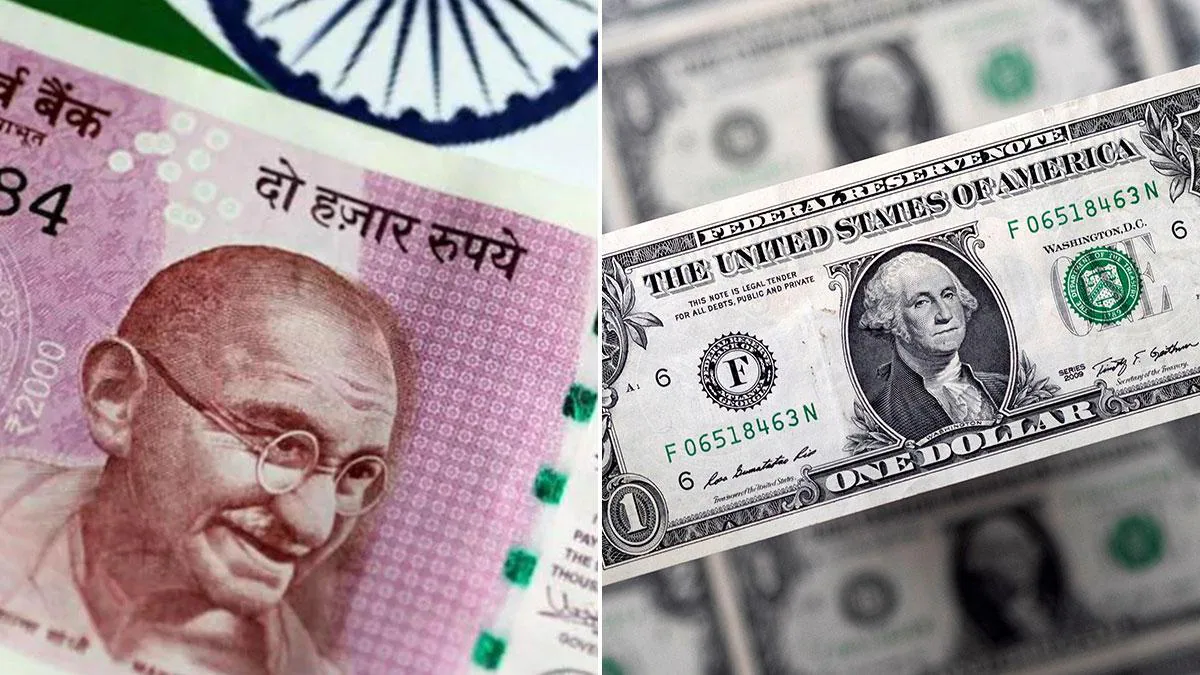
In a significant turnaround, the Indian rupee logged its most substantial one-day gain in over a month, closing at 85.7125 against the U.S. dollar on January 7, 2025. This unexpected appreciation has sparked interest in financial circles, with analysts and investors keen to understand the factors behind this surge. Here, we dive into the key reasons behind this remarkable performance and its broader implications for the Indian economy.
Factors Behind the Rupee’s Surge
- Weakening of the U.S. Dollar A primary driver of the rupee’s appreciation was the weakening of the U.S. dollar. The dollar index, which measures the greenback’s strength against a basket of major currencies, dropped by 0.3% to 107.9. This decline came amidst speculation that the trade tariffs under President-elect Donald Trump’s administration might not be as stringent as initially feared. A softer stance on tariffs typically reduces demand for the dollar, creating space for other currencies to strengthen.
- Foreign Banks Selling Dollars Another contributing factor was the activity of foreign banks offloading dollars in the Indian forex market. This increased supply of dollars further buoyed the rupee, enabling it to capitalize on the broader global trend of dollar weakening.
- Regional Currency Gains The rupee’s upward movement also mirrored a positive trend among other Asian currencies, which rose between 0.2% and 0.9%. A coordinated regional gain often indicates a shift in investor sentiment, favoring emerging markets and their currencies.
Implications of the Rupee’s Appreciation
The rupee’s rally has several implications for the Indian economy:
- Easing Import Costs: A stronger rupee can reduce the cost of imports, particularly for crude oil, which constitutes a significant portion of India’s import bill. This, in turn, could help contain inflationary pressures, offering relief to both businesses and consumers.
- Impact on Export Competitiveness: While a strong rupee benefits importers, it could pose challenges for exporters. Indian goods and services might become relatively more expensive in global markets, potentially affecting demand.
- Investor Confidence: A strengthening rupee often signals robust economic fundamentals and can boost foreign investor confidence. This could lead to increased foreign direct investment (FDI) and portfolio inflows, further supporting economic growth.
What Lies Ahead?
While the rupee’s recent performance is encouraging, sustaining this momentum will depend on various factors. These include global economic conditions, domestic policy decisions, and the trajectory of U.S. monetary policy under the new administration. Market watchers will also closely monitor the Reserve Bank of India’s (RBI) stance, as any intervention to curb excessive volatility could influence the currency’s future movements.
The Indian rupee’s most significant one-day gain in over a month underscores the dynamic nature of currency markets. While the immediate triggers were external, the appreciation highlights the resilience of the Indian economy in navigating global uncertainties. As we move forward, it will be essential to balance the benefits of a strong rupee with the challenges it poses to export competitiveness, ensuring sustainable growth for the economy.

Leave a Reply